


 Send Inquiry
Carbon Steel Flanges
Price 300 INR/ Unit
MOQ : 20 Units
Carbon Steel Flanges Specification
- Flexibility
- Rigid
- Yield Strength
- 250 MPa (min)
- Diameter
- 15 mm to 2500 mm
- Connection Type
- Weld Neck, Slip-On, Blind, Socket Weld, Threaded, Lap Joint
- Tolerance
- ±1% or as per standards
- Tensile Strength
- 485 MPa (min)
- Thread Type
- NPT, BSP, Metric
- Coating Type
- Anti-Corrosion Coating / Black Painting
- Temperature Range
- -20°C to 600°C
- Sealing Type
- Metal to Metal, Gasket Sealing
- Product Type
- Flange
- Material
- Carbon Steel
- Connection
- Welded, Threaded, Slip-On, Blind, Socket Weld, Lap Joint
- Shape
- Round
- Standard
- ASME, ASTM, DIN, JIS, EN, BS
- Surface Treatment
- Other
- Outer Diameter
- Up to 2500 mm
- Section Shape
- Round
- Length
- Customized
- Thickness
- 5 mm to 60 mm
- Color
- Black
- Usage
- Pipeline, Oil & Gas, Petrochemical, Power Plant
- Rated Pressure
- 150# to 2500#
- Application
- Industrial, Chemical, Power, Gas, Water Supply
- Material Grade
- A105, A350 LF2, ASTM A694 F52/F60/F65, ASTM A182 F11/F22
- Packaging Type
- Wooden Cases / Pallets / Custom Packaging
- Manufacturing Process
- Forged, Plate, Cast
- Inspection
- Third Party Inspection accepted
- Test Certificates
- Available (EN 10204 3.1/3.2)
- End Connection
- Butt Weld, Socket Weld, Threaded
- Features
- High Strength, Long Service Life, Leak Proof
- Face Type
- Raised Face (RF), Flat Face (FF), Ring Type Joint (RTJ)
- Density
- 7.85 g/cm³
- Corrosion Resistance
- Yes
Carbon Steel Flanges Trade Information
- Minimum Order Quantity
- 20 Units
- Payment Terms
- Cash Advance (CA), Cash in Advance (CID)
- Supply Ability
- 500 Units Per Day
- Delivery Time
- 5 Days
- Main Domestic Market
- East India
Carbon Steel Flanges About
We are delivering a comprehensive range of Carbon Steel Flanges. They are usually made up of carbon steel material to ensure an excellent durability and corrosion resistant. These flanges are to connect mechanically sections of pipe. Carbon Steel Flanges are able to withstand shock and vibrations. These flanges provide properties such as resistance to corrosion and finishing in goods. They are also suited for heavy duty industries such as ships, distillers etc.
Versatile Connection Solutions for Industrial Needs
Our carbon steel flanges are designed to meet a broad spectrum of industrial needs, supporting various end connections such as welded, threaded, slip-on, blind, socket weld, and lap joint. This versatility ensures seamless integration into pipelines, power plants, chemical facilities, and water supply systems, accommodating diverse operational demands across industries.
Stringent Testing and Certification
Each flange is manufactured in compliance with rigorous international standards and is accompanied by comprehensive test certificates (EN 10204 3.1/3.2). We welcome third-party inspections to guarantee quality and reliability, ensuring our products meet the highest safety and performance expectations.
High Strength and Corrosion Resistance
Built from premium carbon steel grades such as A105, A350 LF2, and ASTM A694, our flanges feature tensile strengths of 485 MPa (min) and yield strengths of 250 MPa (min). Combined with anti-corrosion coatings or black painting, they provide long service life and robust performance in harsh environments.
FAQ's of Carbon Steel Flanges:
Q: How are carbon steel flanges with different face types used in industrial applications?
A: Carbon steel flanges with face types like Raised Face (RF), Flat Face (FF), and Ring Type Joint (RTJ) are matched to specific sealing requirements and operating conditions. RF and FF flanges are often used in general piping, while RTJ flanges are ideal for high-pressure environments, ensuring a reliable, leak-proof connection in oil & gas, petrochemical, and power plant pipelines.Q: What manufacturing processes are used for these carbon steel flanges?
A: Our carbon steel flanges are produced using forging, plate cutting, and casting methods. Forged flanges provide superior strength and durability, while cast and plate flanges offer flexibility for various sizes and shapes. The process chosen depends on the required mechanical properties and application needs.Q: When is third-party inspection possible for these flanges?
A: Third-party inspection can be arranged at any stage before the final dispatch of the flanges. We accommodate inspection requests during manufacturing, post-production, or pre-shipment to ensure all products meet client-specific and international quality standards.Q: Where can these carbon steel flanges be used?
A: These flanges are designed for installation in pipelines, oil & gas infrastructure, chemical facilities, power plants, and industrial water supply lines, making them suitable for a wide variety of heavy-duty and high-performance applications globally.Q: What are the main benefits of using carbon steel flanges from your range?
A: Our carbon steel flanges offer high mechanical strength, excellent leak-proof connections, corrosion resistance, and long service life. Compliance with international standards and available test certification ensures reliability and safe operation in demanding industrial settings.Q: How do anti-corrosion coatings enhance flange performance?
A: Anti-corrosion coatings and black painting protect carbon steel flanges from rust and surface degradation, significantly extending their service life and performance, even in chemically aggressive or moist environments.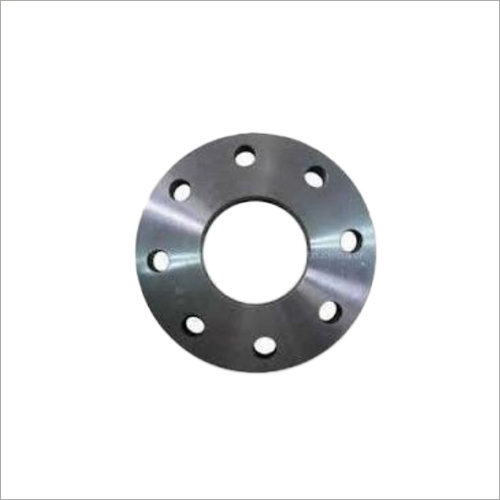
Tell us about your requirement

Price:
Quantity
Select Unit
- 50
- 100
- 200
- 250
- 500
- 1000+
Additional detail
Mobile number
Email

More Products in Pipe Fittings Category
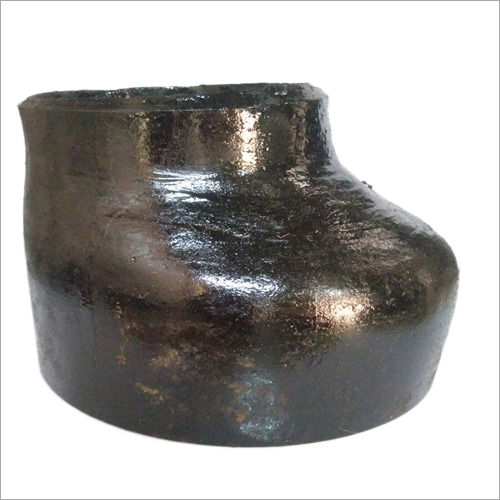
Carbon Steel Eccentric Reducer
Price 50 INR / Unit
Minimum Order Quantity : 20 Units
Section Shape : Round
Product Type : Other, Eccentric Reducer
Material : Carbon Steel
Surface Treatment : Other
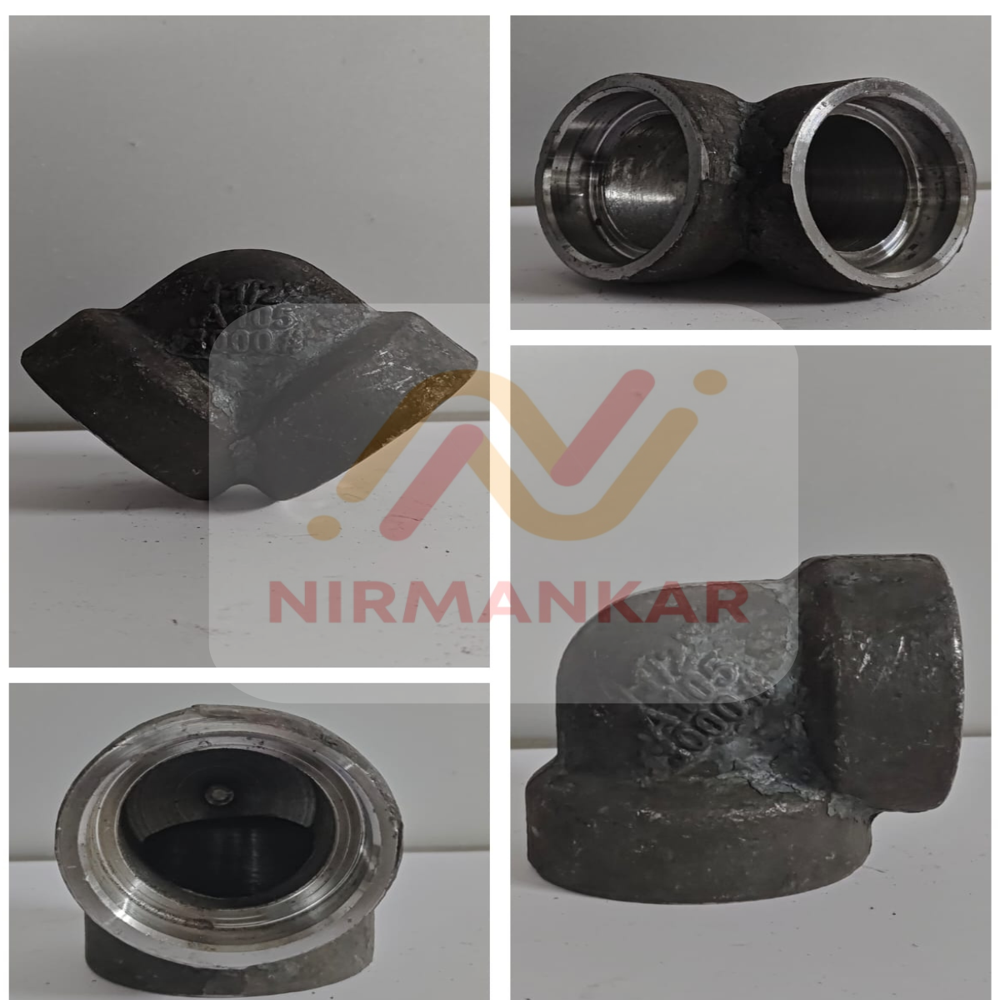
1.5 Socket Elbow
Price 385.0 INR / Piece
Minimum Order Quantity : 10 Pieces
Section Shape : Round
Product Type : Other, Socket Elbow
Material : Other , PVC (Polyvinyl Chloride)
Surface Treatment : Other, Smooth Finish
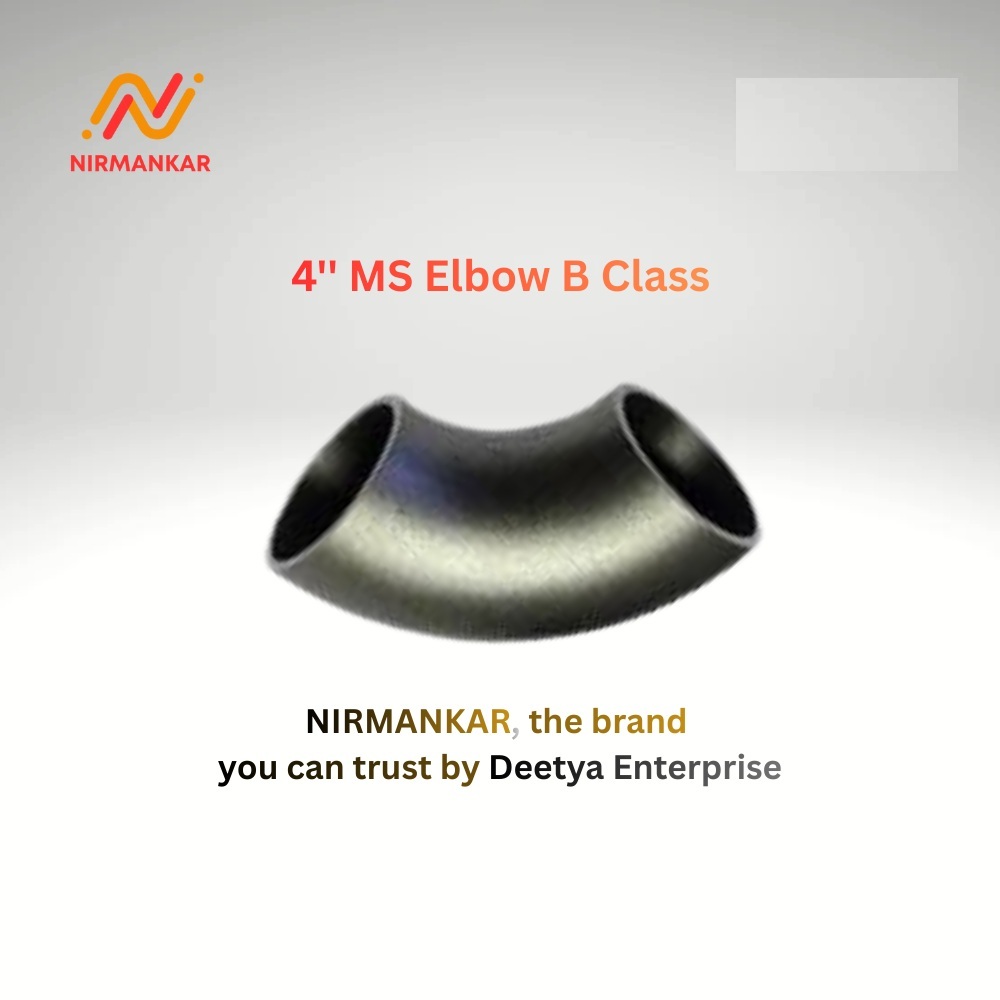
4" MS Elbow B Class
Price 250.0 INR / Piece
Minimum Order Quantity : 10 Pieces
Section Shape : Round
Product Type : Other, Pipe Fitting Elbow
Material : Other , Mild Steel (MS)
Surface Treatment : Other, Black Painted / AntiRust Coated
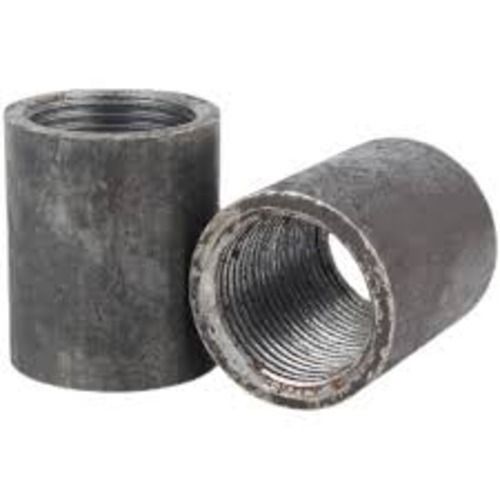
Threaded Pipe Socket
Price 50 INR / Unit
Minimum Order Quantity : 20 Units
Section Shape : Round
Product Type : Other
Material : Mild Steel
Surface Treatment : Other

Contact Details

- 2 Nd Floor, Building No-34, Room No-206, Clive Square, Jackson Lane,Kolkata - 700001, West Bengal, India
- Phone : 08045816221
DEETYA ENTERPRISE
GST : 19AAWFD4764E1ZX
GST : 19AAWFD4764E1ZX

- Mr Ankit Bansal (Proprietor)
- Mobile : 08045816221
- Send Inquiry
- Phone : 033-48497277
 Send Inquiry
DEETYA ENTERPRISE
All Rights Reserved.(Terms of Use)
Developed and Managed by Infocom Network Private Limited.
Developed and Managed by Infocom Network Private Limited.

